Government members of Benin and an EU delegation met in Cotonou on Wednesday, 21 October 2026, to discuss energy expansion projects. Officials held the talks in the capital city to evaluate current infrastructure needs and potential collaborative investments. The meeting brought together representatives from the national government and European Union delegates to coordinate future development goals. Participants examined technical requirements for upgrading power distribution networks across the country. Both parties focused on the integration of renewable energy sources into the existing grid to meet rising demand. The discussion concluded with a review of project timelines and administrative requirements for upcoming energy initiatives.
Current State of Electrification
Benin recorded a national electricity access rate of 42.6% at the end of 2024. This figure serves as the baseline for ongoing efforts to expand the power grid across the nation. The Pacte national de l'énergie sets the target of achieving universal access to electricity in Benin by 2030. To reach this objective, the government is systematically reviewing the current distribution landscape to identify gaps in service delivery and technical capacity. Expanding the reach of the national grid remains a central priority for state planners tasked with meeting the 2030 deadline.
BADEA recently provided $65 million in financing to support these goals. This agreement covers the connection of over 61,000 households across 127 localities. The project remains a primary component of current efforts to extend service beyond urban centers. By targeting these specific localities, the government aims to increase the reach of reliable power to regions previously underserved by the national infrastructure. The allocation of these funds involves a detailed logistical plan to ensure that the 61,000 households receive stable connections in line with the standards set by the Pacte national de l'énergie.
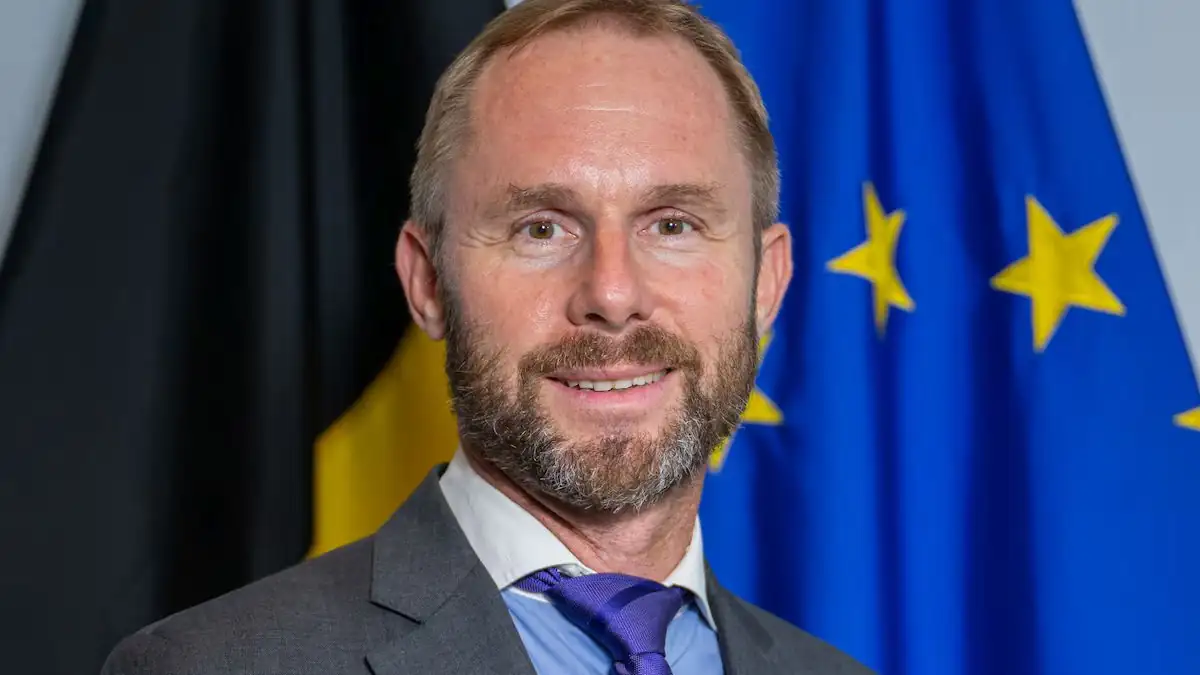
Stéphane Mund, chef de la délégation de l'Union européenne au Bénin, described the discussions between the partners as a necessary step for future progress. "Ces échanges sont une occasion de faire le bilan de la coopération, d'identifier les obstacles et d'ouvrir de nouvelles voies," Mund stated during the meeting. The delegation emphasized the importance of transparency and technical coordination as both parties move forward with their shared development agenda.
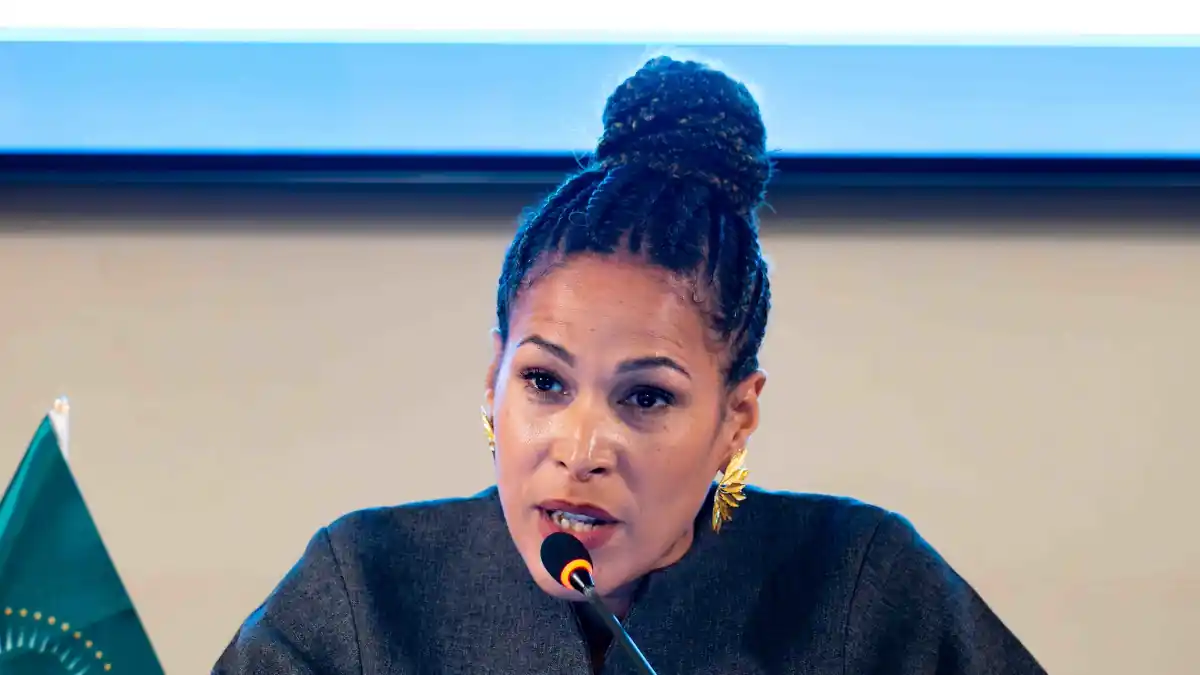
Corinne Amori Brunet, cheffe de la diplomatie béninoise, emphasized that the implementation of these energy initiatives must prioritize the needs of the public. According to Brunet, "Les bénéfices de ces partenariats doivent toucher la population." The current focus remains on reconciling these existing financing commitments with the infrastructure requirements identified by the government. Officials continue to evaluate how the funds provided by BADEA will integrate with the broader objectives outlined in the Pacte national de l'énergie. By aligning international financing with national targets, the government seeks to bridge the gap between the 2024 access levels and the 2030 universal coverage goal. This ongoing collaboration between Benin and the European Union functions as a framework for sustained infrastructure investment and technical oversight.