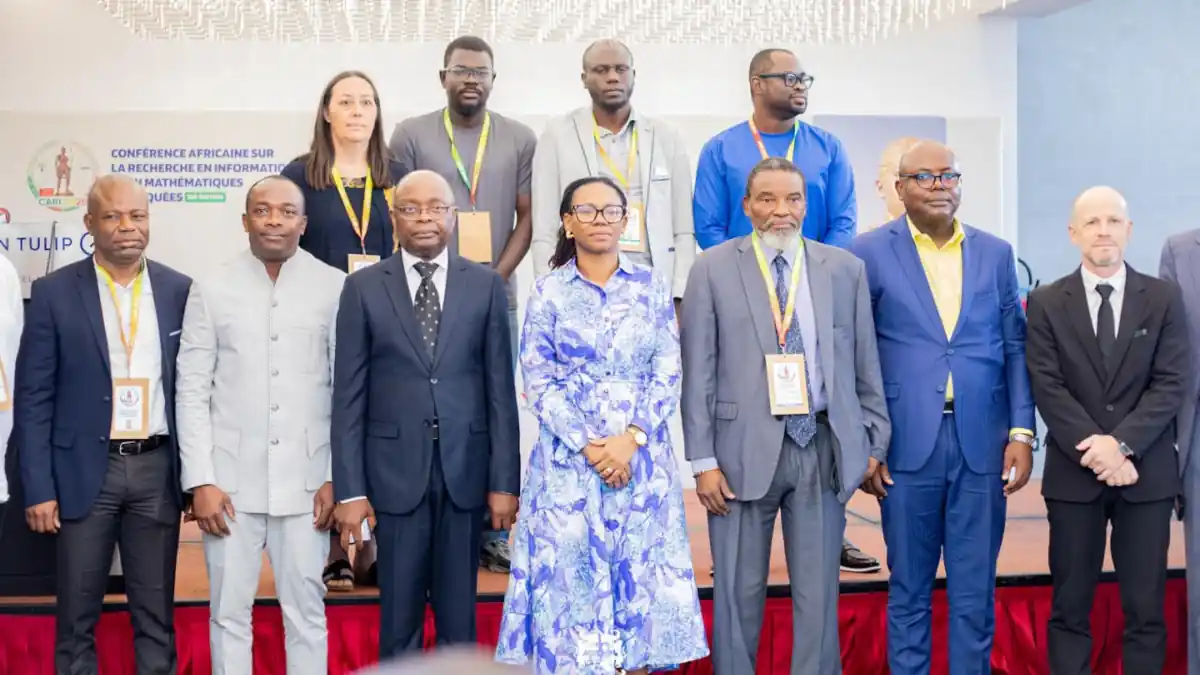
Afreximbank and Sipi-Bénin are hosting an industrial forum in Cotonou to examine the development of special economic zones in Benin. Representatives from both organizations gathered in the city on 22 October to discuss strategies for expanding industrial capacity and infrastructure within these designated areas. The event focuses on attracting investment to support the growth of local production facilities and trade logistics. Officials aim to increase the economic impact of the Glo-Djigbé Industrial Zone through these collaborative efforts. Participants at the forum are reviewing frameworks to improve operational efficiency for businesses operating inside the special economic zones. The proceedings provide a venue for stakeholders to align on policies intended to strengthen the manufacturing sector across the country.
Afreximbank and Sipi-Bénin are holding a forum in Cotonou dedicated to special economic zones, serving as a platform for high-level engagement between financial institutions and industrial developers. This gathering shows the commitment of both entities to fostering a stable environment for industrial growth. By focusing on the specific requirements of the Glo-Djigbé Industrial Zone, the forum facilitates direct communication between the organizers and the businesses they intend to support.
Aligning Support and Operations
Afreximbank and Sipi-Bénin officials are working to align the requirements of operators inside the Glo-Djigbé Industrial Zone with the available support capacities of the two host organizations. These discussions focus on reconciling the operational needs of businesses with the financial and structural resources provided by the bank and the industrial zone developer. The forum aims to align the needs of operators in the Glo-Djigbé Industrial Zone with the support capacities of Afreximbank and Sipi-Bénin, ensuring that financial tools and infrastructure development are effectively synchronized to meet the demands of modern manufacturing.
Benin’s national industrialization strategy prioritizes the domestic processing of raw agricultural commodities to increase value-added exports. Benin's industrialisation strategy focuses on the domestic processing of cotton, cashew, and soy. Officials at the forum identified cotton, cashew, and soy as the primary crops for this value chain expansion. By shifting from the export of raw materials to local processing, the government intends to retain a larger share of agricultural revenue within the domestic economy.
Participants at the forum are reviewing specific bottlenecks that affect the performance of firms located in the industrial zones. The forum addresses bottlenecks in power supply, logistics connections, and investor services within the industrial zones. These discussions address limitations in power supply, logistics connections, and investor services. The agenda includes assessments of how these infrastructure gaps impact business output and how Afreximbank and Sipi-Bénin can coordinate to resolve them. Representatives are evaluating existing delivery timelines for utility services and the efficiency of current transport links to ensure that production facilities at the Glo-Djigbé Industrial Zone maintain consistent operational standards. By identifying these specific constraints, the forum participants work toward actionable solutions that prioritize the reliable provision of utilities and the optimization of trade routes, both of which are essential for the long-term viability of the industrial zones.