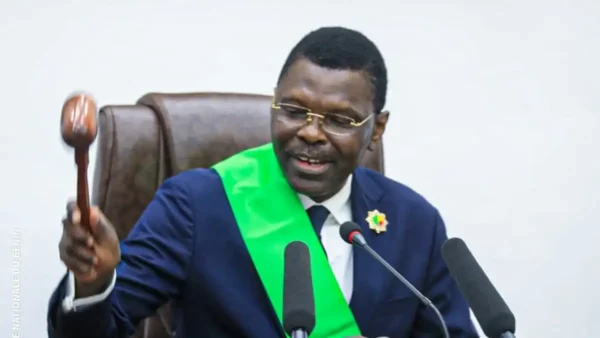
Joseph Djogbénou presented his second activity report for the tenth legislature at the Benin National Assembly on 26 October 2026. This document details the legislative and administrative work conducted by the body during the specified period. Parliamentary activities recorded in the report span from 22 April 2026 to 30 September 2026. The presentation concludes the formal review of operations for these months as part of the ongoing session of the tenth legislature. The report serves as a full account of the institutional progress made during this timeframe.
Legislative Attendance and Performance
Bureau meetings conducted throughout the reporting period achieved an average attendance rate of 96.8 percent. Members of the body maintained this level of participation while reviewing administrative and legislative tasks between 22 April 2026 and 30 September 2026. This high rate of attendance reflects the internal operational consistency maintained by the members during the various legislative sittings held within the specified months. Each meeting was documented to ensure transparency in the administrative processes of the Benin National Assembly.
The Conference of Presidents recorded a separate participation metric for its official functions. This group achieved an average attendance rate of 90.47 percent during its three sessions held within the same timeframe. These figures represent the specific performance metrics detailed in the second activity report presented by Joseph Djogbénou at the Benin National Assembly. The data shows the commitment of the leadership to the formal schedule of the tenth legislature throughout the reporting window of 22 April 2026 to 30 September 2026. By tracking these metrics, the National Assembly provides a clear record of the engagement levels of its elected representatives and presiding officers.
Budgetary Planning for 2027
The National Assembly approved a budget of 31.641 billion CFA francs for the 2027 fiscal year on 9 September 2026. This financial allocation covers the operational requirements and administrative expenditures for the upcoming period. Lawmakers finalized this budgetary figure during the session to ensure funding for the parliamentary agenda throughout the next calendar year. The budget serves as the primary financial instrument for the institution, supporting the administrative functions required to sustain the legislative workload.
Joseph Djogbénou announced that Parliament intends to allocate at least two sessions per month for inquiries with government ministers. This initiative seeks to increase the frequency of oversight interactions between the legislature and the executive branch. By scheduling these regular sessions, the National Assembly aims to monitor government activities more closely during the remaining term of the tenth legislature. The planned oversight sessions are intended to facilitate direct communication and accountability between the two branches of government. This approach is expected to streamline the process of legislative inquiry, ensuring that ministerial representatives remain engaged with the parliamentary body on a consistent basis throughout the upcoming fiscal year.